Why Is My Pool Pump So Loud? Common Causes & When to Replace It
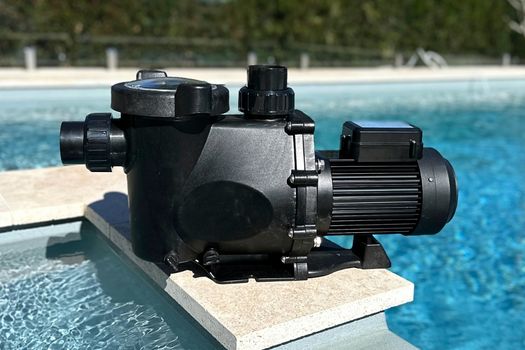
A pool pump should be a quiet, steady hum in the background. When it starts making itself heard, it's worth paying attention — some pump noises are an easy fix, and some are the sound of a pump on its way out.
What the noise usually means
- Rattling or vibrating — often something loose, or debris caught in the pump. Sometimes it's just the pump not sitting flat on its base.
- Screeching or grinding — this typically points to the bearings wearing out. Bearing noise tends to get worse, not better, and it's one of the more common reasons a pump reaches end of life.
- Sucking or gurgling — usually an air leak on the suction side, or a low water level starving the pump. The pump is moving air, not just water.
- Loud humming but not starting — the motor may be failing to start properly, which shouldn't be left running.
What you can check yourself
Make sure the pump is sitting level and secure, the baskets aren't jammed with debris, the water level is high enough to feed the skimmer, and there's no obvious air leak at the lid or fittings. Sometimes that's the whole problem.
When it's replace, not repair
If the noise is bearing-related, or the motor is struggling to start, or the pump is simply old and inefficient, repair often isn't the economical call. A modern variable-speed pump runs quieter and uses far less power, so a replacement can pay for itself over time on running costs alone.
We work with AstralPool and WaterCo equipment and can advise whether your pump is worth repairing or whether you're throwing money at something near its end. Repairs carry our 12-month workmanship warranty, and there's no call-out fee to come and diagnose it.
Pump making a racket? Book a diagnostic — we offer a 48-hour diagnostic turnaround on faults.